
Tooth Extractions in Chicago & Bourbonnais, IL
Tooth Extractions is available at these locations:
Now and then a tooth is simply too damaged, decayed, or troublesome to keep, and removing it becomes the healthiest choice for the rest of your mouth. The team at Dr. Raffi General & Implant Dentistry works to make extractions as comfortable as they can be, pairing modern techniques and effective anesthesia with a genuinely caring approach so you heal quickly and get back to feeling your best.
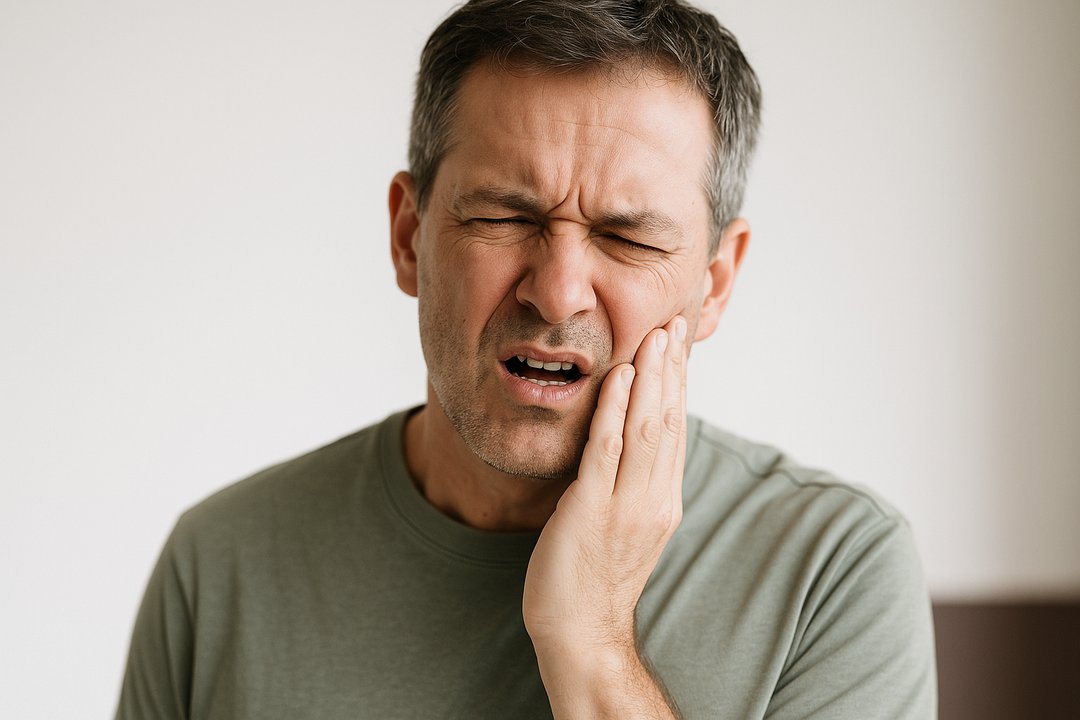
What it is
When a tooth is too damaged, decayed, or problematic to save, this procedure removes it carefully and completely.
Who it's for
It helps patients facing severe decay, impacted wisdom teeth, or crowding, along with anyone whose tooth simply cannot be saved by other treatment.
How we help
We begin with a thorough look using 3D imaging, remove the tooth with a gentle technique, and send you home with a clear aftercare plan to speed recovery.
Struggling with a painful or damaged tooth? Don't wait. An early evaluation heads off complications.
When Is a Tooth Extraction Needed?
Common Reasons
- Extensive decay: When the damage runs too deep, no filling, crown, or root canal can save the tooth
- Advanced gum disease: Bone loss leaves the tooth too loose to repair
- Impacted wisdom teeth: Pain or crowding from third molars erupting at an angle
- Overcrowding: Teeth blocking the alignment orthodontic treatment needs
- Broken tooth: With the crack below the gum line, the tooth can't be restored
Types of Extractions
- Simple extraction: For a tooth that shows above the gum line, done with local anesthesia
- Surgical extraction: Common with wisdom teeth, this is needed when a tooth hasn't fully erupted or has broken off at the gum line
- Multiple extractions: Often done to prepare for dentures or implants, removing several teeth in one visit
Call us if a tooth feels loose, your face or jaw swells, you have sudden severe tooth pain, or you notice signs of infection, such as a bad taste in your mouth or a fever.
Uncontrolled bleeding, trouble breathing or swallowing, and a high fever each warrant emergency care.

How the Extraction Procedure Works
To begin, Dr. Raffi numbs the area with a local anesthetic so you feel little to no discomfort. If you feel anxious in the chair, we will talk through your comfort options before the procedure.
With specialized instruments, the tooth is eased loose and lifted out, and the site is closed with dissolvable or removable stitches when needed. Guided by 3D imaging technology, Dr. Raffi can see vital landmarks such as the sinuses, nerves, and neighboring teeth, which keeps the procedure precise and safe even in demanding cases.
Recovery & Aftercare

Aftercare Steps
- Rest: Take it easy for the rest of the day, and skip strenuous activity for the first few days
- Manage bleeding: Bite firmly on the gauze for 30 to 45 minutes, then switch to fresh gauze if oozing continues
- Pain relief: Take prescribed or over-the-counter pain medication as directed
- Eat soft foods: Stick to soups, yogurt, and mashed foods until the area heals
- Keep it clean: Rinse gently with warm salt water starting the day after your extraction
What to Avoid
- Smoking or tobacco use (delays healing significantly)
- Using a straw (suction can dislodge the blood clot)
- Strenuous physical activity for the first few days
- Touching or probing the extraction site
- Lying completely flat, so keep your head slightly elevated
Tooth Replacement Options
- Dental implants: A permanent, natural-looking replacement anchored in your jaw
- Dental bridges: A fixed restoration that spans the gap between healthy teeth
- Dentures: Removable full or partial options for replacing one or many teeth
Facing a tooth removal? We'll keep you comfortable and informed at every step.
What to Expect at Your Visit
Visit Steps
- Assessment: An exam and a review of X-rays or 3D scans let us plan the best approach
- Talk-through: Dr. Raffi covers the procedure, anesthesia options, and your questions
- Removal: Your comfort comes first as we remove the tooth gently and efficiently
- Aftercare: You get clear healing instructions, and replacement options are discussed when needed
Helpful Tips
- Arrange a ride home if you were told you will need one
- Eat a light meal before your appointment (unless instructed otherwise)
- Wear comfortable, loose-fitting clothing
- Bring a list of current medications and allergies
- Most simple extractions take just 20–30 minutes
Frequently Asked Questions
Modern extractions are far more comfortable than most patients expect. Effective local anesthesia completely numbs the area, so you feel pressure but not pain while the tooth is removed. If you tend to feel anxious, tell us, and we will talk through your comfort options before the procedure.
Once the anesthesia wears off, mild soreness is normal and usually settles with over-the-counter pain relievers. Following your aftercare instructions closely keeps discomfort to a minimum as the extraction site heals.
Most patients feel noticeably better within two to three days, and the extraction site itself generally heals over one to two weeks. The gum tissue closes first, while the underlying bone fills in more gradually beneath the surface.
How smoothly recovery goes depends a great deal on aftercare, so be especially careful to avoid straws, smoking, and strenuous activity in those first days. Those simple precautions protect the healing socket.
Dry socket happens when the blood clot that forms in the extraction site is dislodged too soon, leaving the underlying bone and nerves exposed. It tends to show up a few days after the extraction as a sharp increase in pain.
You can lower the risk considerably by not smoking for at least 72 hours and by avoiding drinking straws, forceful spitting, and vigorous rinsing for the first few days. If dry socket does develop, we can treat it quickly to ease the discomfort.
In most cases, yes. Once a tooth is gone, the neighboring teeth can drift toward the gap, your bite can shift, and the jawbone in that area may begin to shrink over time. Replacing the tooth keeps the rest of your smile aligned and stable.
Dr. Raffi will talk through options such as dental implants, bridges, or dentures based on your situation and goals. Wisdom teeth are the usual exception, since they generally do not need to be replaced.
The cost of a tooth extraction depends on whether it is simple or surgical and what else your visit involves. A straightforward removal is far less involved than the surgical extraction of an impacted tooth.
At our Chicago and Bourbonnais, IL offices, we provide a detailed estimate before any procedure, work with most insurance plans, and offer financing options for flexible payment.
Yes, though it pays to stick to soft, cool foods for the first few days while the site settles. Good choices include:
- Yogurt and applesauce
- Mashed potatoes and smoothies, spooned rather than sipped through a straw
- Soups once they have cooled to lukewarm
Steer clear of hot, spicy, crunchy, or chewy foods until the area has healed, then ease back into your normal diet as comfort allows.
Reach out if you notice severe pain that worsens after the second or third day, bleeding that does not slow with gentle pressure, or signs of infection such as fever, swelling, or pus. Numbness that lingers well after the anesthesia should have faded is also worth a call.
Most extractions heal without any of these issues, but it is always better to check in early. We would rather hear from you and set your mind at ease than have a small problem go unaddressed.
Yes. Removing several teeth in a single visit is common and often the preferred approach. It means fewer appointments and a single recovery period, and it is frequently done in preparation for dentures or implants.
Dr. Raffi weighs your overall health and the condition of the teeth involved before recommending it, tailoring the plan to what is safest and most comfortable for you.
A damaged tooth shouldn't slow you down. Book a consultation to explore your options and find relief.
Visit Dr. Raffi General & Implant Dentistry
Chicago Office
6215 W Touhy Ave
Chicago, IL 60646
Bourbonnais Office
876 N Convent St
Bourbonnais, IL 60914